Having spent many years in the Turkish Naval Forces, what core values have those experiences added to your current approach to civilian seamanship and sailing instruction?
In every training program, our top priority is human safety and security; this is a principle from which we never compromise. Acting in accordance with international regulations and working in a planned and systematic manner are fundamental. We always conduct thorough preparations for both theoretical and practical training, and we design the curriculum based on the targeted level, whether basic or advanced.
In your opinion, what are the most significant differences and the strongest common ground between military seamanship and the civilian sailing world?
In the Naval Forces, officers are prepared for service through a structured education that begins at the Naval High School and continues at the Naval Academy. A naval officer is entrusted with both the state’s vessel and the nation’s sons and daughters, and safeguarding this trust is essential. Although training methods and responsibilities differ, the common ground in both fields is the absolute importance of human safety and security, as well as ensuring that the commanded vessel is properly maintained and fully equipped
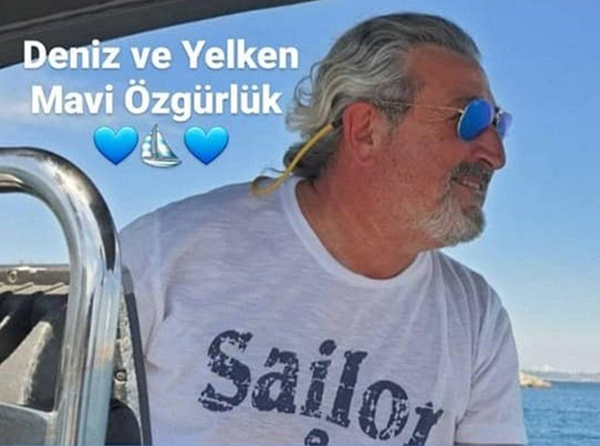
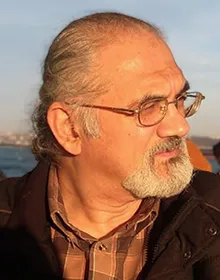
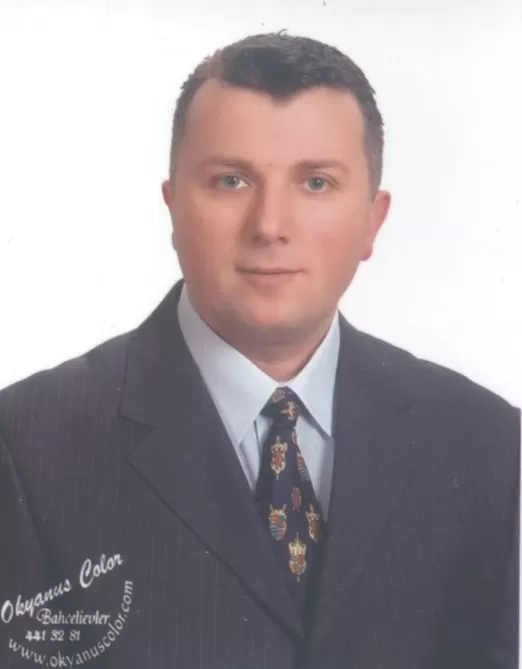
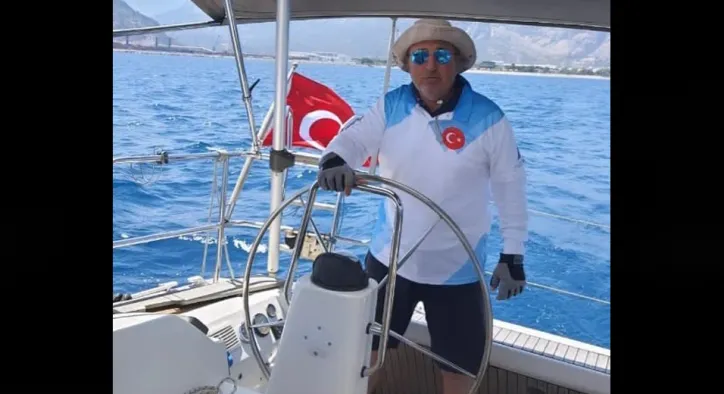
Ali Cemal Nemlioğlu
Lieutenant Commander (Ret.), Turkish Navy/ Master Mariner and Maritime Instructor
If you were to define a “good captain” through three fundamental principles, what would they be?
In line with international regulations, a good captain is someone who is trained and well-equipped to ensure:
A) The safety of passengers and crew,
B) The safety of the vessel and its cargo,
C) The protection of the environment — and who reflects these principles consistently in their professional practice.
In sailing education, do you believe technique or maritime culture is more decisive? How do you convey this balance to your students?
Technique is the primary focus in training. However, informing participants about maritime culture, as well as contributing to its development and dissemination, is equally essential and an integral part of our educational philosophy.
Based on your experience as a master mariner, have you observed how decisions made at sea shape a person’s character?
Throughout my career as a merchant ship captain, I have always adhered to the principles of safety and security as top priorities, strictly following international regulations and training my crew in accordance with these standards.
Among the many trainees you have instructed, is there a moment that made you say, “This is exactly why I do this job”?
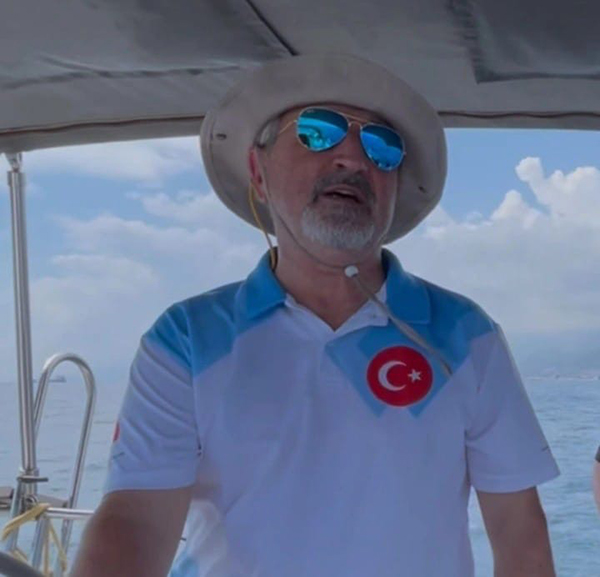
Within the framework of Private Dem Maritime Training Center and Antalya Sailing Club, together with my esteemed instructor, retired Naval Colonel and Master Mariner Mr. Nevzat Bacı, we provide Yacht Captain and Adult Yacht Sailing training under the qualification of Maritime Instructor. Witnessing both professional and amateur seafarers reach the goals we set for them in their careers and hobbies repeatedly gives us the feeling of “this is why we do this job” and the pride of “how fortunate we are to do what we love.”
What are the most common mistakes made by those new to sailing, and how can these be transformed into proper maritime awareness?
Making mistakes is always possible. During practical training, we stay close to the trainees at all times, guiding them correctly to prevent errors, because we regard them as individuals who “do not yet know what they do not know.” The most common mistakes involve misunderstandings of relative concepts and neglecting safety. By continuously demonstrating correct practices, we aim to contribute to the development of true maritime awareness.
Discipline in maritime life is often perceived as a harsh concept. In your view, how does discipline create a sense of freedom in sailing?
Discipline is a concept that exists — and should exist — in every profession. In sailing, disciplined training and practice create a safe and peaceful environment, as well as harmonious teamwork and a strong sense of solidarity.
Can modern navigation technologies replace traditional maritime knowledge? In other words, does technology support the captain or diminish their skills?
Using technology provides great benefits to our profession. Navigational aids offer valuable information; however, the final decision always belongs to the captain.
As an instructor, which mental and character traits do you particularly aim to develop in your students?
Being well-equipped, making quick and accurate decisions, taking initiative, continuously updating knowledge, remaining calm under pressure, and demonstrating courtesy.
For someone newly introduced to the sea, what ethical principles must be internalized in order to become not only a good sailor but also a good seafarer?
First and foremost, receiving proper and sufficient training, loving what they do, avoiding unnecessary risks, showing respect and courtesy to others, and having a healthy fear of the sea — because those who fear the sea take precautions.
Throughout your long career, what is the most important lesson the sea has taught you that you also apply directly to life on land?
Even when it is exhausting: do not be lazy, do not postpone, do not give up — and always keep up with the times.
How do you assess the current level of sailing education in Turkey? Which areas do you believe need improvement?
In recent years, Turkey has achieved significant success in sailing, especially at the international level, which is very encouraging. To sustain this success, it would be highly beneficial to increase sailing education starting at an early age with Optimist classes; to expand swimming education and courses on marine and environmental protection beginning at primary school level; to improve the facilities provided to sailing clubs; to make boat ownership and accommodation in marinas or shelters more accessible and affordable; to allow free access to ramps for launching boats; and ultimately, to aim for the creation of a true seafaring society.
Finally, what is the clearest advice you would offer, based on your experience, to young people dreaming of becoming naval officers and to those who wish to transform their lives through sailing?
To borrow a common saying, “bread must be bought from the bakery”: receiving proper and high-quality education should always be the top priority.
Thank you for requesting my views. I wish you continued success in your work.
Respectfully.
Lieutenant Commander (Ret.), Turkish Navy/ Master Mariner and Maritime Instructor
Thank you for taking the time to share your insights with us despite your busy schedule.
Reportage: Banu Demir / The Sailor’s Newspaper
Photographs: Ali Cemal Nemlioğlu Archive
Prepared for Publication: Doruk Agency / Founded by Sailor's Newspaper