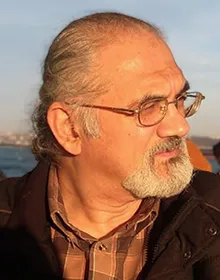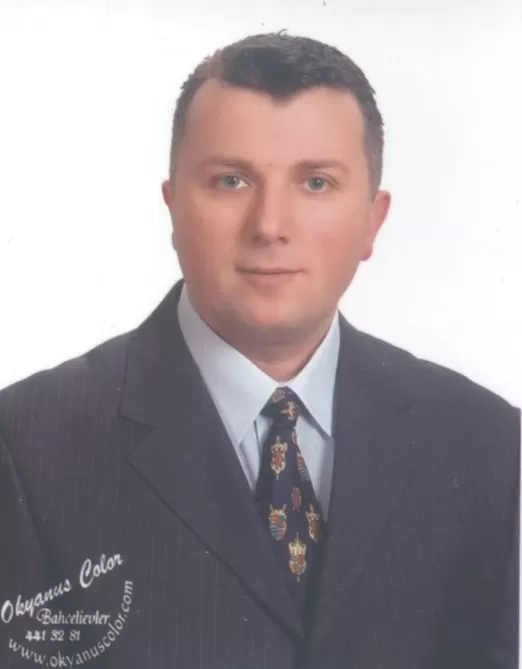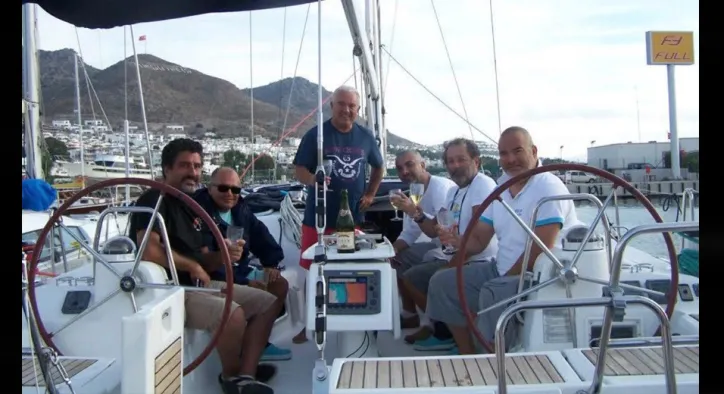
I was born in Antalya in 1948. I grew up by the sea, spending my childhood along the coast. Our family owned a six-meter boat, so the sea was always a natural part of my life. During my high school years, Antalya High School had two Sharpy-class sailboats. The older students who sailed them chose their own crews. One day, somehow, I found myself included in one of those crews. That was how my sailing journey began.
In the early days, everything was learned the hard way—without much technical explanation, simply by experiencing it. Over time, we began to grasp the logic of sailing and the quiet yet powerful relationship built with the wind. What drew me into this journey was my deep passion for the sea, my curiosity about sailing, and the strong sense of belonging that came with being able to handle a boat.
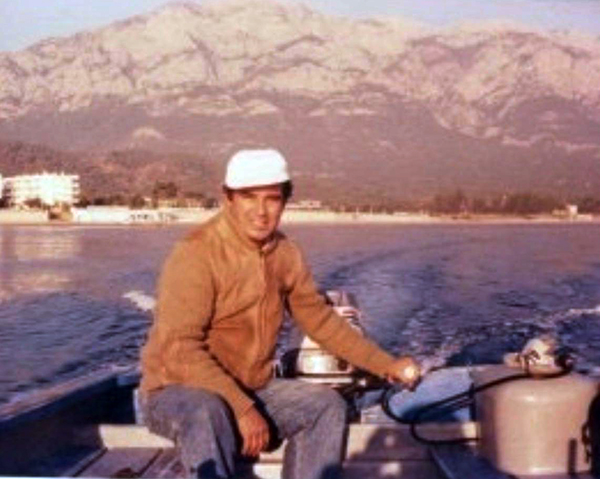
During my university years, discovering that one of my classmates shared the same passion brought us even closer. After graduation, I joined his boat, and for many years we sailed and raced together as the same crew. This passion reached a new level in 1993 when I purchased my own boat, a Gib Sea 442. From cruising to long-distance rallies and races, the journey has continued ever since.
On Sailing Culture
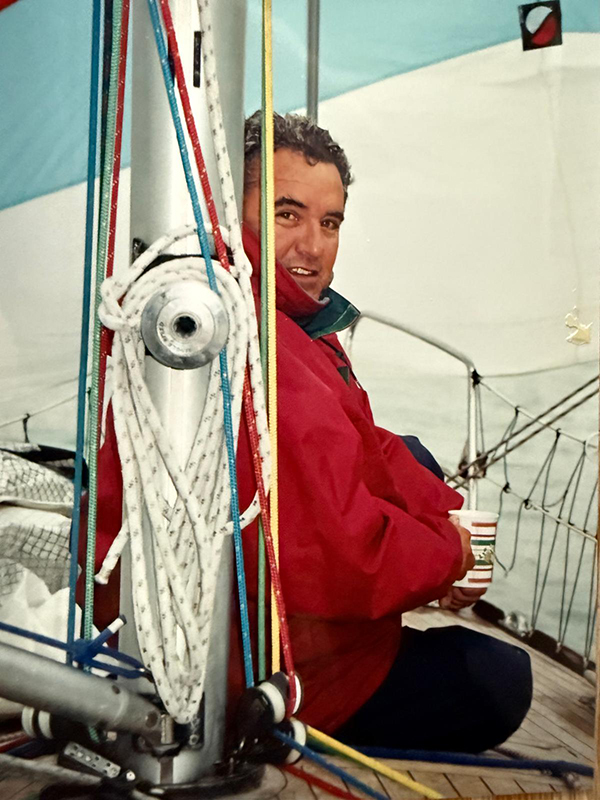
Based on my long years of observation, what I could say about the development of sailing culture would hardly fit into these pages. There have certainly been positive developments: the increase in amateur sailing clubs, improved facilities, and the invaluable opportunity for children from all backgrounds to learn seamanship from the ground up. Still, in my opinion, it is not enough.
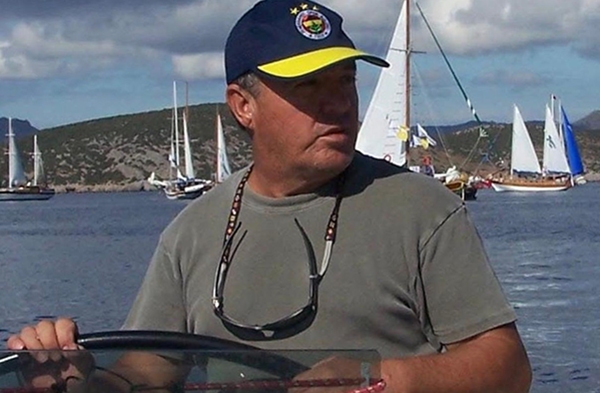
I was one of the founding members of both Antalya Sailing Club and later Kemer Sailing Club. When I compare our early days to where we are today, the progress is truly gratifying. However, within these organizations—built with amateur spirit and great dedication—individuals with different agendas can sometimes wear you down, eventually forcing you to step back.
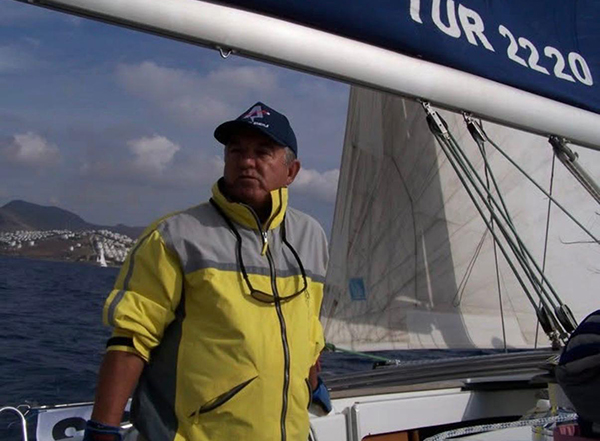
At the same time, a concerning picture is emerging in terms of maritime culture. Just as there are drivers on the roads who ignore the rules, a similar mindset is increasingly visible at sea.
The Sea, Racing and Unforgettable Memories
For me, being at sea represents peace and freedom itself. Yet particularly in our country, economic factors such as marina fees, accommodation, and maintenance costs significantly limit these aspirations. Unfortunately, sailing is gradually becoming a sport for a privileged minority, which negatively affects the entire sector.
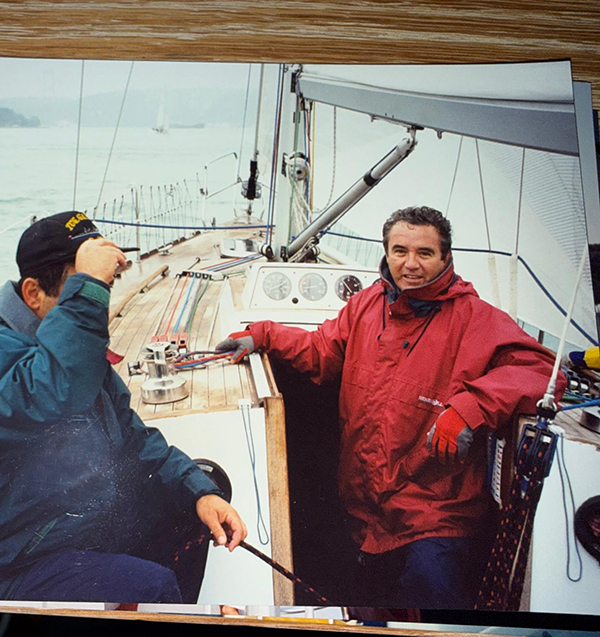
I have countless unforgettable races and passages, and I always hesitate when asked which one to share. Still, one that holds a special place in my memory is the 1994 (or possibly 1995) Navy Cup Race. In those years, the race was held as a single leg from Istanbul to Çeşme. As we reached the waters off Marmara Island, gusts reached up to 55 knots. After passing through the Dardanelles and entering the Aegean, the keel of the boat Korza, which was sailing ahead of us, broke off, prompting intervention by a Navy mine countermeasure vessel. We finished that race first in our leg with Royal Flash, but placed second overall due to rating differences.
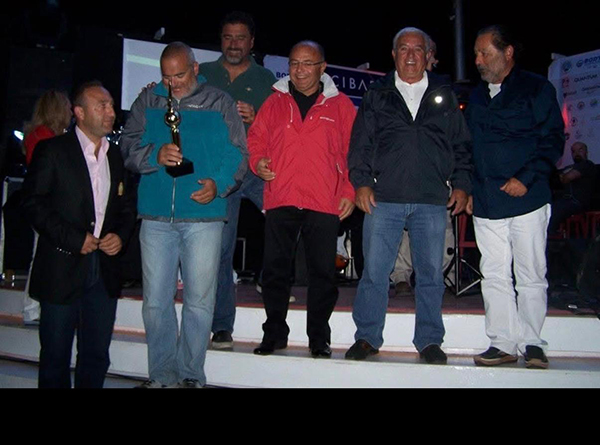
During cruises, countless experiences accumulated—each a lesson in itself. At the request of my late friend Mesut Baran, I wrote some of these stories for Yelken Dünyası magazine, and I continue to share them during talks at sailing clubs. These mutual exchanges are always deeply instructive for all of us.
The Harshest Conditions
One particular experience stands out. In 1998, during the Iskenderun–Latakia leg of the EMYR Rally, a storm warning was announced at the evening briefing. The rally committee declared an open start—boats could depart at any time they wished. Back on board, the crew left the decision to me, and I chose to wait for daylight to better assess the conditions.
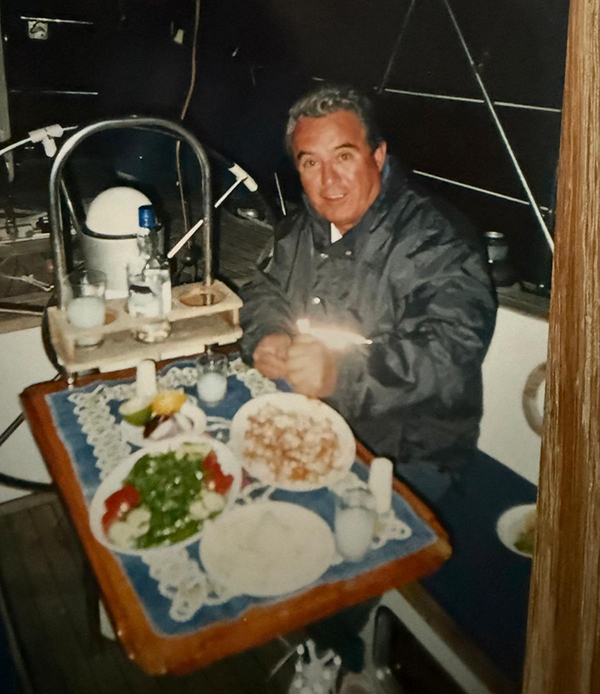
A small French boat moored alongside us, crewed by a husband and wife, decided to depart at 01:00. We were astonished by their courage. We cast off at 05:00. Until 09:00, the sea remained calm; then the region’s notorious “Yarıkkaya storm” hit us head-on. Seeing boats returning against us caused a moment of hesitation, but being one of only four Turkish boats among 108 participants made turning back hard to accept. We proceeded under motor-sail, encountering gusts of up to 60 knots. It was the harshest weather I have ever experienced at sea.
The 25-mile stretch between Iskenderun and Akıncı Cape, which we started in the morning, was completed only around midnight. As soon as we rounded the cape, the wind dropped suddenly. As always, the sea had the final word.
Advice and the Future
The most common mistake I see among newcomers is overconfidence. We made many mistakes ourselves—this is part of seamanship. But the sea does not forgive excessive confidence. Planning the safest possible passage and postponing departure when necessary is always the right decision. The sea must be respected at all times.
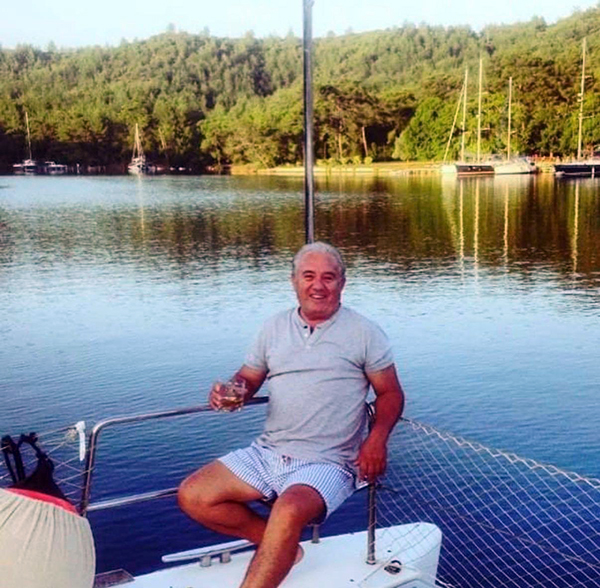
I view technological advancements positively. While I do not believe in blind reliance on technology, I have personally experienced how using it wisely—within reasonable limits—greatly enhances both comfort and safety at sea. This summer, during a cruise in the Adriatic aboard my friend Hasan Şirin’s Amel 55, after he completed his circumnavigation, I witnessed this firsthand.
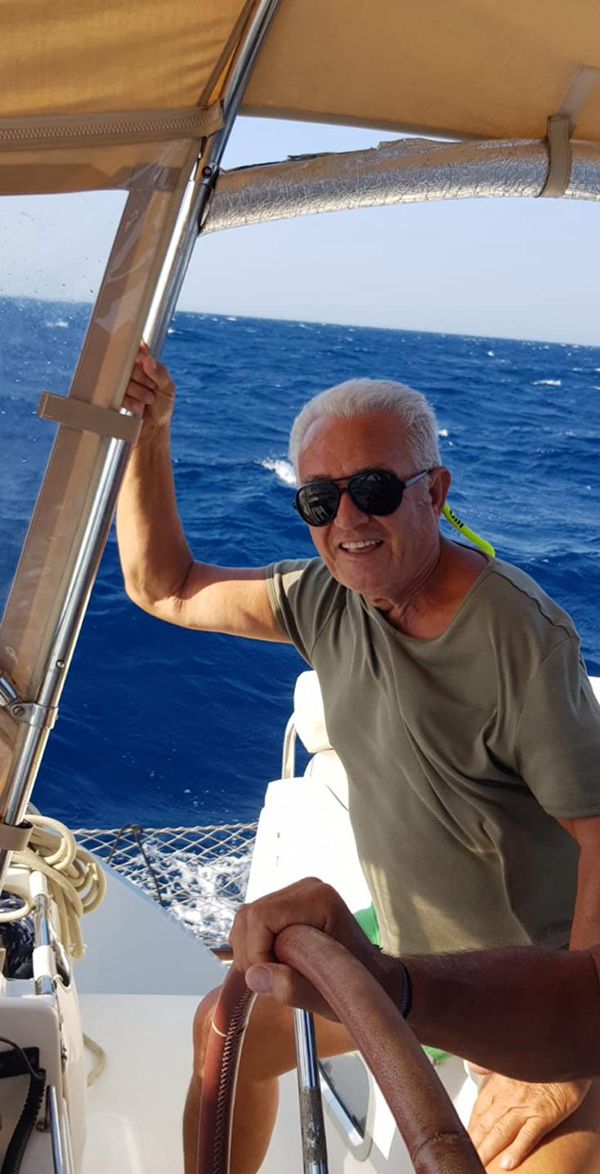
Crew harmony is indispensable, especially on long passages. When harmony exists, discipline follows naturally. The ideal route is one planned within predefined principles, minimizing risks and including B and C plans for situations that may arise during the voyage.
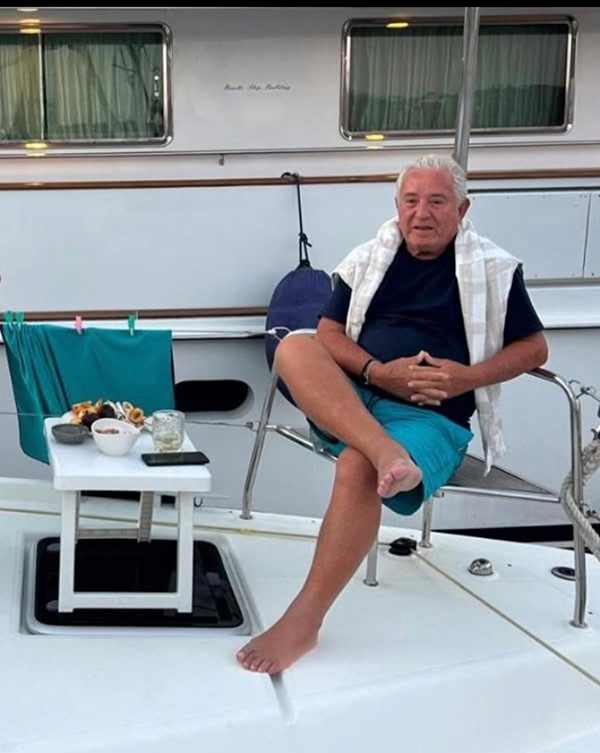
For sailing to truly develop, the number of clubs must increase, children should be supported from the Optimist level onward, and these clubs must be financially strengthened. There are children who live by the sea yet have never seen it. In Antalya, through various civil initiatives, we introduce children to the sea, sailing clubs, and marinas. Watching how their world changes makes every effort worthwhile.
Finally, I can say this: the greatest challenge at sea is panic. When you remain calm and think clearly, anxiety diminishes and solutions reveal themselves.
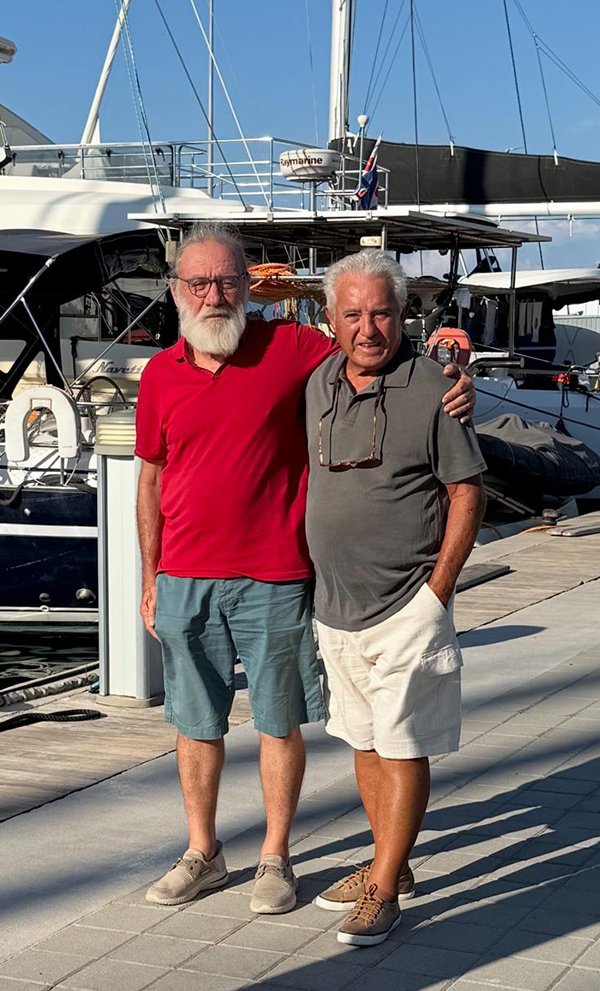
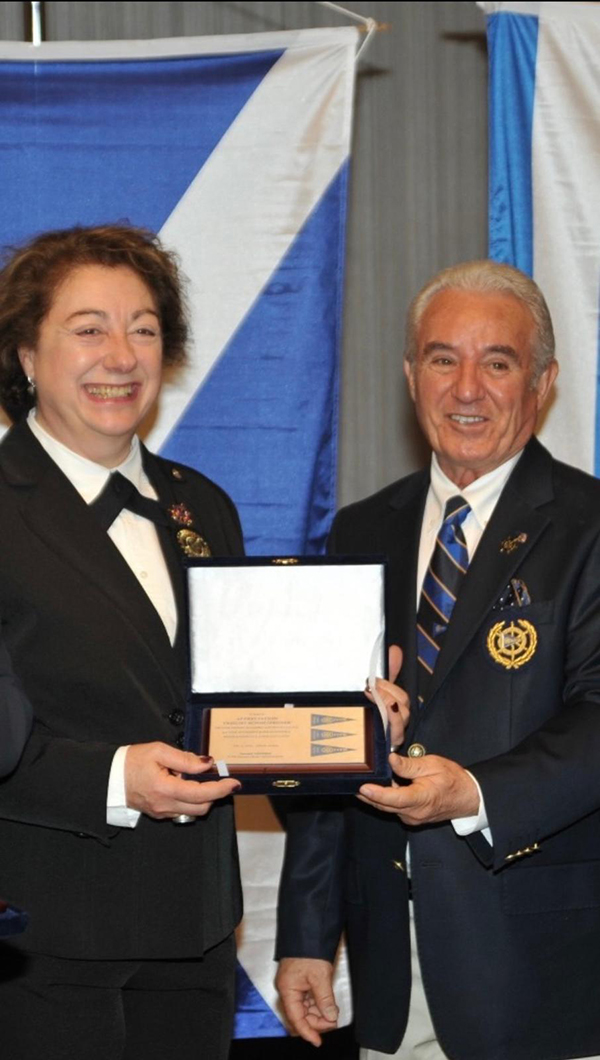
Sharing the experiences of a distinguished sailing master such as yourself, and bringing these invaluable reflections on the sea to our readers, is a great honor for us. We sincerely thank you for taking the time to be with us.
Reportage: Banu Demir / The Sailor’s Newspaper
Photographs: Yeşim Tokol Archive
Prepared for Publication: Doruk Agency / Founded by Sailor's Newspaper