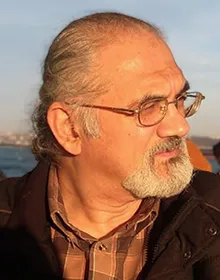
Yes-the Caribbean and I. Or perhaps sailing and I. In truth, it is me, running toward the sea at the call of the ocean itself.
I began sailing at the age of nine; a journey that now spans half a century. Whenever I saw a sailboat on the water, I used to call them butterflies of the sea. I would watch them endlessly, drifting away with my dreams.
Butterflies emerge from caterpillars and become as free as they possibly can. They rush in every direction, as far as their short lives allow. When they take the wind from behind, they travel farther. I did the same. I never fought the current or the wind. We, as beings of nature, become unhappy when we resist it. Respect for nature is learned at sea. The sea never forgives ignorance or disrespect—but it always teaches. If you absorb that lesson and integrate it into life, you become a sailor. That is how I became one.
Boats, Seas, and Craftsmanship
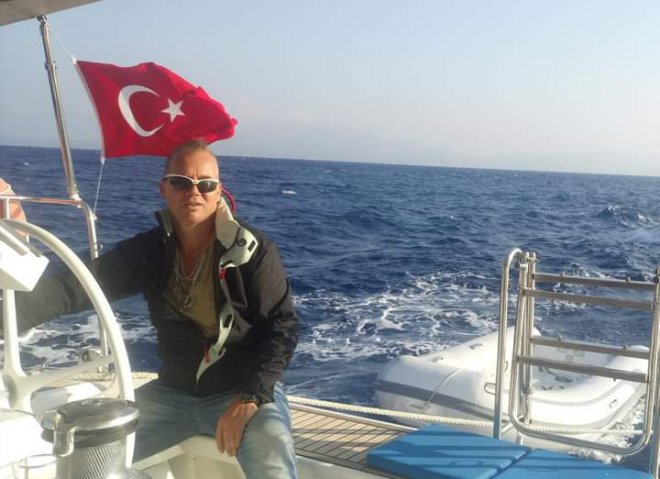
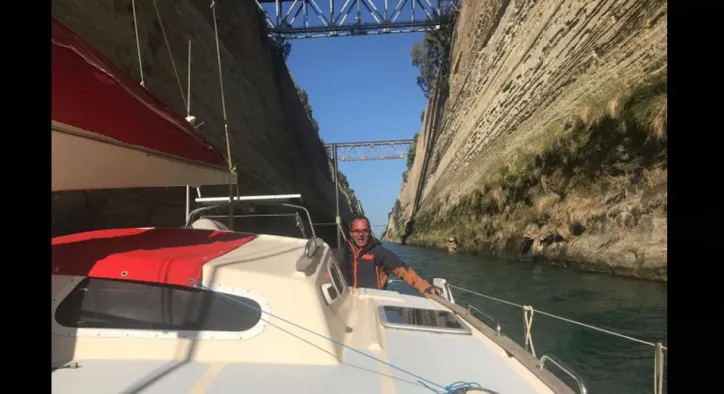
Over the years, I owned many sailboats of different sizes and types—monohulls, catamarans, even trimarans. My voyages first covered the Marmara Sea, then the Aegean, the Mediterranean, and Cyprus. At twenty, when I went to Scotland for school, my sailing extended to the English Channel and Irish waters. I sailed a seven-meter yacht, kept my boat in Glasgow, and commuted by sea to my school in Ayr.
I always took pleasure in maintaining my boats myself. Over time, as my boats grew larger, they became a second source of income in Scotland. As manufacturing, buying, and selling increased, sailing turned into my primary profession—eventually extending all the way to the United States. For nearly twenty years, I transported boats from the U.S. to Europe.
Atlantic Crossings and Solo Voyages
My Atlantic crossings began during this period. Twice, I had to cross alone-once in 2007 to Europe, and again in 2017 to the Caribbean. And then came Hurricane Irma in 2017. It felt like my hurricane. Its name-Irma, IRMAK-felt like a sign.
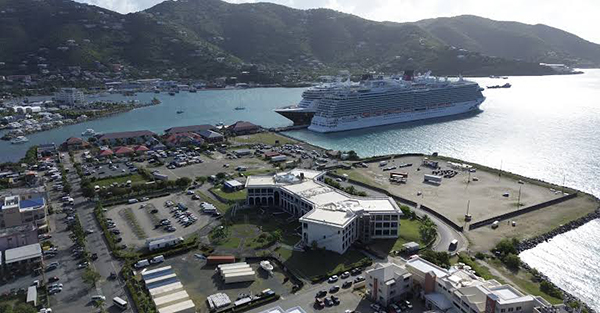
What was a disaster for many was, to me, part of nature’s cycle. It bound me to the Caribbean. My boat was damaged; the losses were not covered by insurance. Yet those losses opened an entirely new door for me.
Tortola and the BVI: A Hidden Paradise
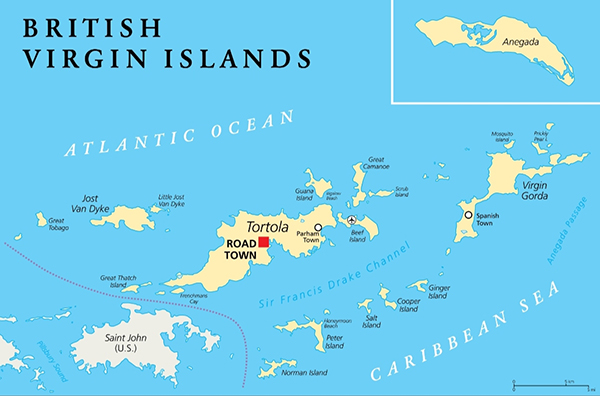
I was in Tortola, the largest of the British Virgin Islands, surrounded by nearly 300 islands and islets. Across the Caribbean, there are around 7,000 islands under some 35 different administrations—mostly British and American.
The BVI is relatively free, unarmed, and has one of the lowest crime rates in the region. Tortola’s population is around 45,000. With no income tax, Road Town hosts many international offshore companies. It is small, yet extremely active.
Rebuilding After the Storm
After Hurricane Irma, nearly all boats were damaged; at least 45% sank. I used to call it the Pearl Harbor of the Caribbean—not due to an attack, but because of the hurricane that arrived with me. The marina where I stayed suffered severe damage.
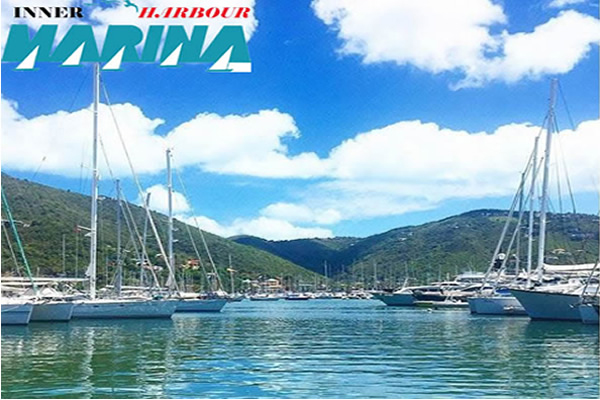
My friendship with marina owner Betteto Frett evolved into a business partnership. We salvaged 22 sunken or damaged boats. About a year later, the marina and hotel complex reopened, and I was chosen to operate it. We became the first point of entry at the inner harbour—handling paperwork and inspections for incoming vessels before police clearance.
Marinas, Charter Fleets, and Operations
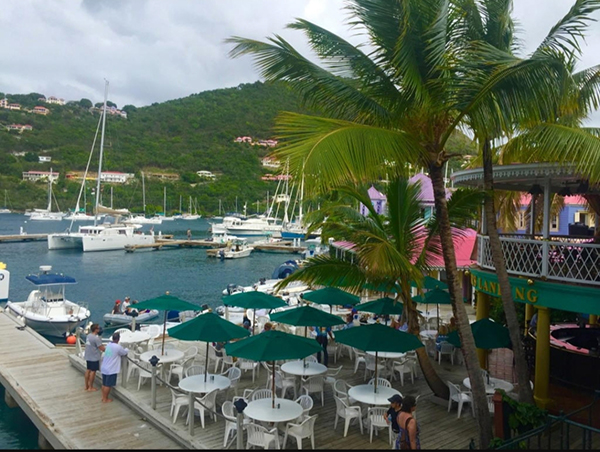
Today, two marinas operate under our responsibility. West End Marina serves as the departure point toward St. Thomas (USA), while Road Town Inner Harbour is the exit port for the Bahamas and Miami. Most yachts in the region are charter fleets, subject to annual insurance and technical inspections.
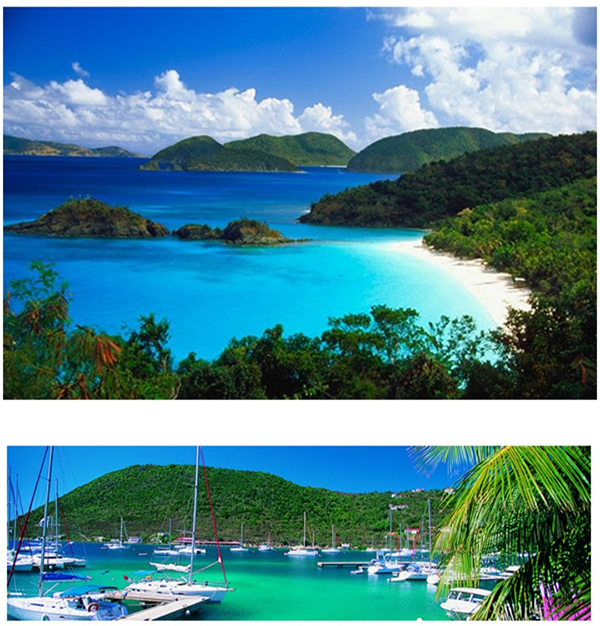
Rebuilding this system was not easy, but with strong administrative support, we produced solutions. This work requires not only language skills, but route knowledge—knowing where to go and how to get there. When work is done with passion, success follows.
On Turkish Seamanship
Turkey has highly skilled captains and amateur sailors who sail the world. I met one of them in Tortola—Captain Mustafa from Fethiye. He had purchased a catamaran and came to complete exit procedures. We helped him, and our friendship continued even after I returned to Turkey during the pandemic.
I love my homeland, as everyone does. Yet in recent years, increasing costs, restrictions, and misguided practices in maritime life have been deeply troubling. Amateur sailing is becoming nearly impossible. And yet Turkey is a peninsula—a paradise of bays. We can do better. With opportunity and trust, we will.
The Sea, Solitude, and the Self
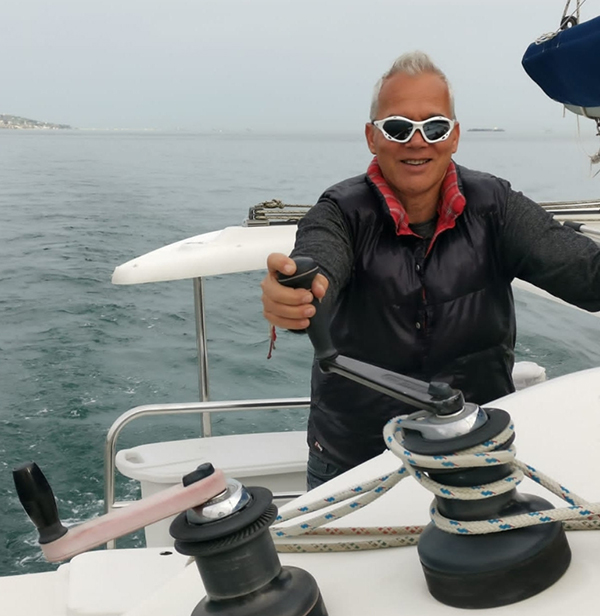
Long journeys and open seas first taught me who I am. At sea—especially alone—you feel where you truly belong. You begin to love what is difficult. And the most difficult of all is the sea itself. Difficulty returns you to your essence.
The journey is not over. Soon, I will raise anchor once again and say “Full sail ahead to the Atlantic.”
My advice is simple: set out willingly, knowingly, lovingly. Starting is half the journey; love completes the rest. Fear prevents action. Life is a single breath. Love.
With love,
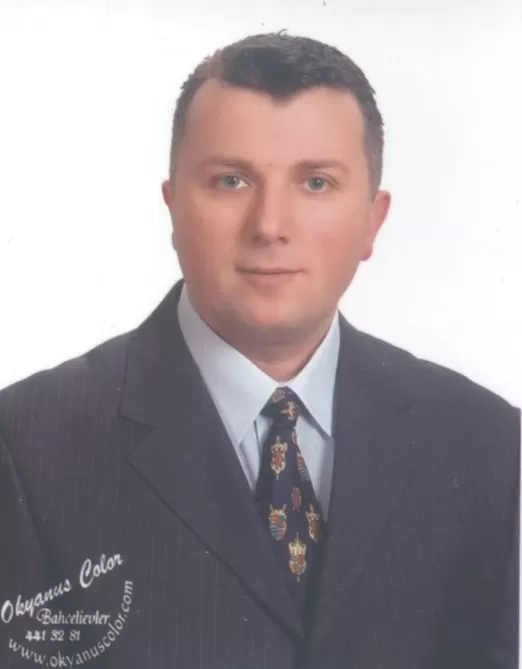
Tuncer Irmak
We sincerely thank you for sharing your valuable experiences and perspectives with us amid your busy schedule.
Reportage: Banu Demir / The Sailor’s Newspaper
Photographs: Tuncer Irmak Archive
Prepared for Publication: Doruk Agency / Founded by Sailor's Newspaper